Waking up with a puffy face can be frustrating, especially when you have important plans for the day. Whether it's caused by water retention, allergies, poor sleep, or other factors, facial swelling can make you feel self-conscious and uncomfortable. The good news is that there are numerous evidence-based strategies you can implement to reduce face puffiness quickly and effectively. In this comprehensive guide, we'll explore 15 proven methods to help you depuff your face and achieve that refreshed, sculpted appearance you desire.
Understanding Facial Puffiness and Its Causes
Before diving into solutions for how to get rid of a puffy face fast, it's important to understand what causes facial swelling in the first place. Facial puffiness occurs when excess fluid accumulates in the tissues of your face, leading to a bloated, swollen appearance. This condition is more common than you might think, and it affects people of all ages and skin types.
What Causes Morning Face Bloating?
Morning face bloating is one of the most common types of facial swelling people experience. When you sleep, your body's circulation slows down, and fluid can accumulate in your face and under your eyes. This is particularly pronounced if you sleep on your stomach or side, as gravity pulls fluid toward your face throughout the night.
Water retention is another significant factor in facial swelling. When your body retains excess water, it doesn't just affect your midsection—it can cause noticeable puffiness in your face, making your cheeks appear fuller and your jawline less defined. This can happen due to hormonal changes, high sodium intake, dehydration, or certain medications.
Allergies and inflammation can also trigger facial swelling remedies needs. If you suffer from seasonal allergies or have a sensitivity to certain foods or skincare products, your body may respond with inflammation that manifests as facial puffiness. Additionally, poor sleep quality, stress, and alcohol consumption can all contribute to a puffy face.
Tip 1: Stay Hydrated Throughout the Day
One of the most counterintuitive yet effective ways to reduce face puffiness is to drink more water. While it might seem logical that drinking more water would increase water retention, the opposite is actually true. When your body is dehydrated, it tends to hold onto water as a survival mechanism, leading to increased water retention and facial bloating.
By staying properly hydrated, you signal to your body that water is readily available, reducing the need for it to store excess fluid. Aim to drink at least eight glasses of water per day, and consider increasing your intake if you exercise regularly or live in a hot climate. Proper hydration also supports your lymphatic system, which plays a crucial role in draining excess fluid from your face and body.
Tip 2: Reduce Sodium Intake
High sodium consumption is a major culprit behind water retention and facial swelling. Sodium causes your body to hold onto water to maintain proper electrolyte balance, which can result in noticeable puffiness in your face. If you've noticed that your face tends to be puffier after eating salty foods, this is likely the reason why.
To reduce face puffiness related to sodium intake, try to limit your consumption of processed foods, canned soups, deli meats, and salty snacks. Instead, opt for fresh, whole foods and season your meals with herbs and spices rather than salt. Reading food labels can help you identify hidden sources of sodium in your diet. By making these dietary adjustments, you may notice a significant reduction in facial swelling within just a few days.
Tip 3: Use Cold Therapy
Cold therapy is one of the fastest ways to reduce facial swelling. When you apply cold to your face, it causes blood vessels to constrict, which reduces inflammation and puffiness. This is why many people use ice cubes or cold spoons to depuff their face in the morning.
To use cold therapy effectively, try placing ice cubes in a clean cloth and gently applying them to your puffy areas for 5-10 minutes. Alternatively, you can refrigerate two spoons overnight and use them to massage your face in the morning. The cold metal will help reduce swelling while the gentle massage promotes lymphatic drainage. Another popular method is to use a cold facial roller or jade roller that's been stored in the refrigerator. These tools are not only effective but also feel incredibly refreshing on your skin.
Tip 4: Implement Lymphatic Drainage Techniques
Your lymphatic system is responsible for removing excess fluid and waste from your body, including your face. When lymphatic drainage is sluggish, fluid can accumulate, leading to facial puffiness. Fortunately, there are several techniques you can use to stimulate lymphatic drainage and reduce face puffiness.
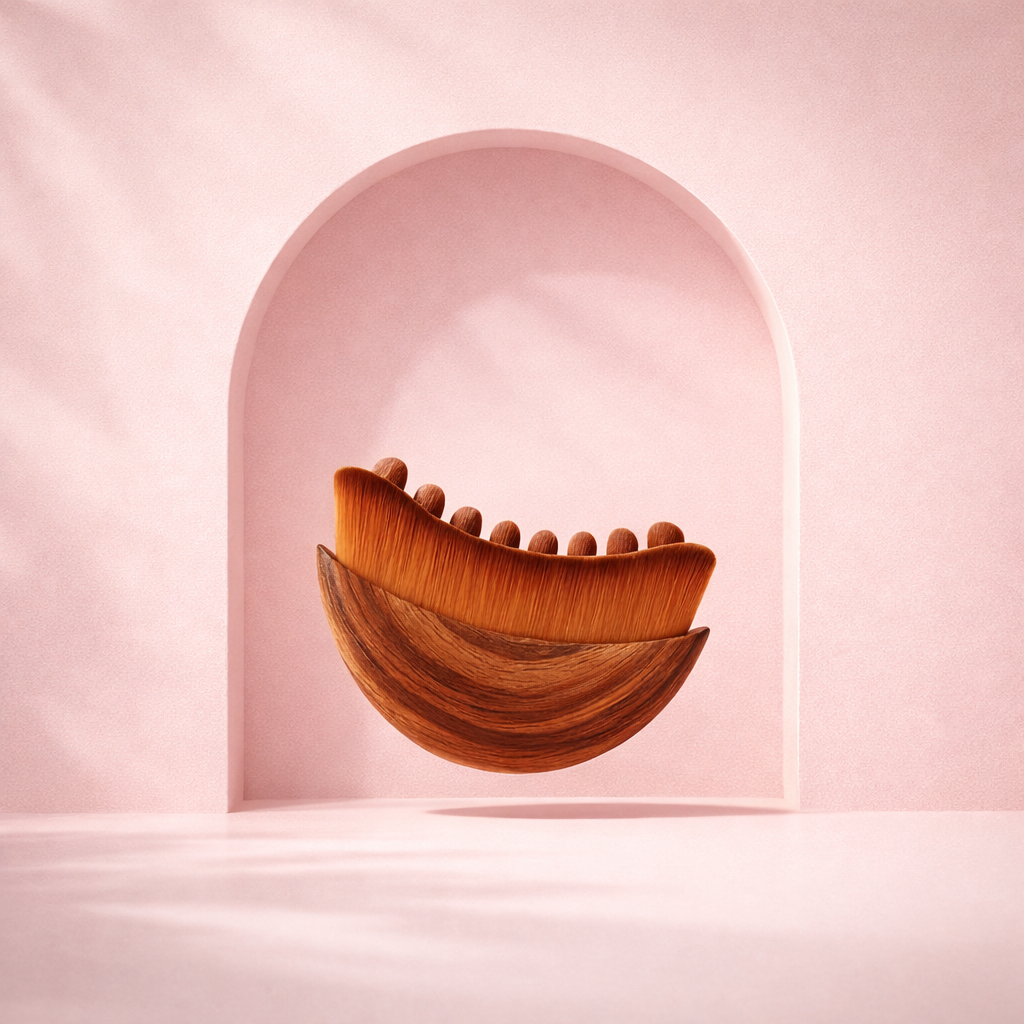
Lymphatic drainage massage is a gentle technique that involves using specific hand movements or tools to encourage fluid movement toward the lymph nodes. You can perform this massage yourself by using your fingertips to make gentle, upward strokes along your face, starting from the center and moving toward your ears and jawline. A lymphatic drainage face brush can be particularly effective for this purpose, as it's specifically designed to stimulate lymphatic flow and promote depuffing.
Using a Lymphatic Drainage Face Brush
A lymphatic drainage face brush is an excellent tool for reducing facial swelling. These brushes are designed with soft bristles that gently stimulate your skin and underlying tissues, promoting the movement of excess fluid away from your face. When used correctly, a lymphatic drainage face brush can help you achieve noticeable results in just a few minutes.
To use a lymphatic drainage face brush, start with a clean face and apply a light moisturizer or facial oil. Using gentle, upward strokes, brush along your cheekbones, jawline, and forehead, always moving toward your ears where the lymph nodes are located. Spend extra time on areas that tend to be puffier, such as under your eyes and along your jawline. For best results, use your lymphatic drainage face brush in the morning when puffiness is most pronounced.
Tip 5: Elevate Your Head While Sleeping
The position you sleep in can significantly impact facial puffiness. When you lie flat, gravity pulls fluid toward your face, contributing to morning face bloating. By elevating your head with an extra pillow or two, you can help prevent fluid from accumulating in your face overnight.
Try sleeping with your head elevated at a 30-45 degree angle. This position encourages fluid to drain away from your face and toward your body, reducing puffiness when you wake up. If you're not used to sleeping in this position, it may take a few nights to adjust, but many people find that this simple change makes a noticeable difference in their morning appearance.
Tip 6: Limit Alcohol Consumption
Alcohol is a diuretic, which means it causes your body to lose water. When you drink alcohol, your body becomes dehydrated, which triggers water retention as a compensatory mechanism. This can lead to significant facial swelling, particularly if you consume alcohol in the evening before bed.
To reduce face puffiness related to alcohol consumption, try to limit your intake and always drink plenty of water when you do consume alcoholic beverages. If you're planning to drink alcohol, consider spacing out your drinks with glasses of water and avoiding alcohol close to bedtime. This will help minimize water retention and reduce morning face bloating.
Tip 7: Get Adequate Sleep
Poor sleep quality and insufficient sleep can contribute to facial puffiness. When you don't get enough sleep, your body produces more cortisol, a stress hormone that can increase inflammation and water retention. Additionally, lack of sleep can impair your lymphatic system's ability to drain excess fluid from your face.
Aim to get 7-9 hours of quality sleep each night. Establish a consistent sleep schedule by going to bed and waking up at the same time each day, even on weekends. Create a relaxing bedtime routine, keep your bedroom cool and dark, and avoid screens at least an hour before bed. By prioritizing sleep, you'll not only reduce facial puffiness but also improve your overall health and well-being.
Tip 8: Manage Stress Levels
Chronic stress can trigger inflammation throughout your body, including in your face. When you're stressed, your body releases cortisol, which can increase water retention and facial swelling. Additionally, stress can disrupt your sleep patterns, further contributing to puffiness.
To manage stress and reduce face puffiness, try incorporating stress-reduction techniques into your daily routine. Meditation, deep breathing exercises, yoga, and regular exercise are all effective ways to lower stress levels. Even just 10-15 minutes of mindfulness or meditation each day can make a significant difference in your stress levels and, consequently, your facial appearance.
Tip 9: Use Facial Massage Techniques
Beyond using a lymphatic drainage face brush, you can also perform manual facial massage to reduce puffiness. Facial massage stimulates blood circulation and promotes lymphatic drainage, both of which help reduce facial swelling. The key is to use gentle, upward strokes and to focus on areas that tend to be puffier.
Start by applying a light moisturizer or facial oil to your face. Using your fingertips or knuckles, make gentle, upward strokes along your cheekbones, starting from the center of your face and moving toward your ears. Massage your jawline with gentle circular motions, and use your ring finger (which applies the least pressure) to gently massage the delicate under-eye area. Spend at least 5-10 minutes on this massage, and try to do it every morning to see the best results.
Tip 10: Apply Facial Sculpting Tools
Facial sculpting tools, such as jade rollers or stainless steel rollers, can be incredibly effective for reducing facial puffiness. These tools work by promoting lymphatic drainage and improving circulation. When used in conjunction with cold therapy, they're even more effective.
To use a facial sculpting tool, refrigerate it overnight or place it in the freezer for 15-20 minutes. Apply a light moisturizer to your face, then use the roller to massage your face in upward strokes, focusing on areas prone to puffiness. The combination of cold temperature and gentle massage will help reduce swelling and leave your skin feeling refreshed and rejuvenated.
Tip 11: Adjust Your Diet
Certain foods can contribute to water retention and facial swelling. Processed foods, refined carbohydrates, and foods high in sodium are common culprits. Additionally, some people may experience facial puffiness in response to certain foods they're sensitive to, such as gluten or dairy.
To reduce face puffiness through diet, focus on eating whole, unprocessed foods. Include plenty of fruits and vegetables, lean proteins, and healthy fats in your diet. Foods rich in potassium, such as bananas, sweet potatoes, and leafy greens, can help balance fluid levels in your body and reduce water retention. Additionally, anti-inflammatory foods like fatty fish, berries, and turmeric may help reduce facial swelling caused by inflammation.
Tip 12: Try Facial Acupressure Points
Acupressure is an ancient healing technique that involves applying pressure to specific points on the body to promote healing and balance. There are several acupressure points on the face that can help reduce puffiness and promote lymphatic drainage.
One effective acupressure point is located at the inner corner of your eye, near the tear duct. Gently pressing this point for 30 seconds to a minute can help reduce under-eye puffiness. Another point is located on your cheekbone, directly below your pupil. Applying gentle pressure to this point can help reduce cheek puffiness. Additionally, there's a point on your jawline, just below your ear, that can help promote overall facial drainage when stimulated. Try incorporating these acupressure techniques into your morning routine for best results.
Tip 13: Use Anti-Inflammatory Skincare Products
Certain skincare ingredients have anti-inflammatory properties that can help reduce facial swelling. Caffeine, for example, is known for its ability to constrict blood vessels and reduce puffiness, particularly around the eyes. Retinol, vitamin C, and niacinamide are also effective ingredients for reducing inflammation and promoting a more sculpted appearance.
Look for serums, creams, or eye treatments that contain these ingredients. Applying these products to your face before using your lymphatic drainage face brush or facial sculpting tools can enhance their effectiveness. For best results, use these products consistently as part of your daily skincare routine.
Tip 14: Stay Active and Exercise Regularly
Regular exercise is one of the most effective ways to reduce water retention and facial puffiness. When you exercise, you increase circulation, promote lymphatic drainage, and reduce inflammation throughout your body. Additionally, exercise helps regulate hormones and reduce stress, both of which can contribute to facial swelling.
Aim to get at least 30 minutes of moderate-intensity exercise most days of the week. This could include brisk walking, jogging, cycling, swimming, or any other activity you enjoy. Even light exercise, such as a gentle yoga session or a leisurely walk, can help reduce facial puffiness. The key is to move your body regularly and consistently.
Tip 15: Consider Professional Treatments
If you've tried the above methods and still struggle with persistent facial puffiness, you might consider professional treatments. Options include lymphatic drainage massage performed by a licensed therapist, facial acupuncture, or other professional treatments designed to reduce facial swelling.
A professional lymphatic drainage massage can be particularly effective, as trained therapists know exactly how to stimulate your lymphatic system to promote optimal drainage. While these treatments may require an investment, they can provide significant results, particularly for those with chronic facial puffiness.
Quick Morning Routine to Depuff Your Face
If you're looking for how to get rid of a puffy face fast in the morning, here's a quick routine you can implement:
-
Start by drinking a large glass of water immediately upon waking. This helps rehydrate your body and kickstart your lymphatic system.
-
Splash your face with cold water or apply cold compresses for 5-10 minutes. This constricts blood vessels and reduces swelling.
-
Apply a light moisturizer or facial oil to your face.
-
Use your lymphatic drainage face brush or facial sculpting tool, making gentle upward strokes for 5-10 minutes. Focus on areas prone to puffiness.
-
Apply an anti-inflammatory serum or eye cream containing caffeine or other beneficial ingredients.
-
Perform gentle facial massage using acupressure techniques for 2-3 minutes.
-
Finish with a light moisturizer and sunscreen.
This entire routine should take about 20-30 minutes and can significantly reduce facial puffiness, leaving you with a more sculpted, refreshed appearance.
Long-Term Strategies for Preventing Facial Puffiness
While the tips above can help you reduce face puffiness quickly, implementing long-term strategies is essential for preventing facial swelling from becoming a chronic issue.
Maintain Consistent Hydration
Make hydration a daily habit. Keep a water bottle with you throughout the day and aim to drink water consistently. This helps prevent dehydration and reduces your body's tendency to retain water.
Monitor Your Sodium Intake
Be mindful of how much sodium you consume. Read food labels, cook more meals at home, and choose fresh foods over processed options. This will help you maintain healthy fluid balance and reduce facial swelling.
Establish a Regular Skincare Routine
Incorporate products and techniques that promote lymphatic drainage and reduce inflammation into your daily skincare routine. Using a lymphatic drainage face brush regularly can help prevent puffiness from developing in the first place.
Prioritize Sleep and Stress Management
Make sleep and stress management non-negotiable parts of your wellness routine. These factors have a significant impact on facial puffiness, so prioritizing them will help you maintain a more sculpted appearance.
Stay Active
Regular exercise should be a consistent part of your lifestyle. This helps maintain healthy circulation, supports lymphatic function, and reduces inflammation throughout your body.
Understanding Facial Swelling Remedies
When it comes to facial swelling remedies, it's important to understand that different causes may require different approaches. If your facial puffiness is caused by allergies, you might benefit from antihistamines or allergy management strategies. If it's related to hormonal changes, you might need to adjust your approach during different phases of your menstrual cycle.
For those with chronic facial puffiness, it may be helpful to consult with a healthcare provider to rule out underlying conditions such as thyroid problems, kidney issues, or other medical concerns. In some cases, facial swelling can be a sign of a more serious health issue that requires professional medical attention.
The Role of Lymphatic Drainage in Reducing Puffiness
Your lymphatic system is crucial for maintaining healthy fluid balance and reducing facial puffiness. Unlike your circulatory system, which has a heart to pump blood, your lymphatic system relies on muscle contractions and manual stimulation to move fluid. This is why techniques like lymphatic drainage massage and using a lymphatic drainage face brush are so effective.
When your lymphatic system is functioning optimally, excess fluid is efficiently removed from your face and body, preventing the accumulation that leads to puffiness. By incorporating lymphatic drainage techniques into your daily routine, you can maintain better fluid balance and enjoy a more sculpted, refreshed appearance.
Combining Multiple Approaches for Best Results
While each of the 15 tips mentioned above can help reduce facial puff