Waking up with a puffy face can be frustrating and demoralizing. Whether you have an important meeting, a social event, or simply want to feel confident in your own skin, facial puffiness can make you feel self-conscious and uncomfortable. But what exactly causes your face to look puffy, and more importantly, what can you actually do about it? We've consulted with leading dermatologists to bring you comprehensive insights into this common concern and practical solutions that really work.
Understanding Facial Puffiness: What Dermatologists Want You to Know
Facial puffiness, also known as facial edema or facial swelling, is a condition where excess fluid accumulates in the tissues of your face, causing it to appear enlarged, bloated, or swollen. This is far more common than you might think, and it affects people of all ages and skin types. According to dermatologists, understanding the root causes of facial puffiness is the first step toward effectively addressing it.
Dr. Sarah Mitchell, a board-certified dermatologist with over fifteen years of experience, explains that facial puffiness isn't simply a cosmetic concern. "Puffiness in the face can indicate various underlying factors, from lifestyle habits to more serious health conditions. It's important to identify the cause so you can address it appropriately," she notes.
The face is particularly prone to swelling because it contains numerous lymph nodes and delicate tissues that can easily retain fluid. When fluid accumulates in these areas, it creates that characteristic puffy appearance that many people find bothersome. The good news is that in most cases, facial puffiness is temporary and manageable with the right approach.
The Main Culprits: Why Does My Face Look Puffy?
Water Retention in the Face
One of the most common reasons why your face looks puffy is water retention. This occurs when your body holds onto excess water, and this fluid can accumulate in various areas, including your face. Water retention can happen for several reasons, and understanding these reasons is crucial for addressing the problem.
When you consume high amounts of sodium, your body tends to retain water to maintain proper electrolyte balance. This is a natural physiological response, but it can result in noticeable facial swelling. Many processed foods, restaurant meals, and packaged snacks contain surprisingly high levels of sodium, making it easy to exceed your daily recommended intake without realizing it.
Hormonal fluctuations also play a significant role in water retention. Women often experience increased facial puffiness during certain phases of their menstrual cycle, particularly in the days leading up to menstruation. This is due to changes in estrogen and progesterone levels, which affect how your body regulates fluid. Similarly, hormonal changes during pregnancy, perimenopause, and menopause can contribute to facial swelling.
Dehydration might seem counterintuitive, but it's actually a major cause of water retention and facial puffiness. When you don't drink enough water, your body compensates by holding onto the water it does have. This can result in fluid accumulation in your face and other areas of your body. Dermatologists recommend drinking adequate water throughout the day to help your body maintain proper fluid balance and reduce puffiness.
Lymphatic Drainage Issues
Your lymphatic system is responsible for removing excess fluid and waste products from your tissues. When lymphatic drainage is compromised or sluggish, fluid can accumulate in your face, leading to puffiness. This is particularly common in the morning because your lymphatic system moves more slowly when you're lying down during sleep.
The lymph vessels in your face are delicate and can become congested due to various factors. Poor posture, especially if you spend long hours hunched over a desk or looking down at your phone, can impede lymphatic flow. Lack of physical activity also slows down lymphatic circulation, as movement and muscle contractions help pump lymph through your system.
Dermatologists increasingly recommend facial massage and lymphatic drainage techniques to help stimulate the movement of lymph and reduce facial puffiness. These techniques work by gently encouraging fluid to move through the lymphatic vessels and away from the face, resulting in a more sculpted and defined appearance.
Inflammatory Responses
Facial inflammation is another significant contributor to puffiness. Inflammation can be triggered by various factors, including allergies, irritating skincare products, environmental pollutants, and inflammatory foods. When your skin becomes inflamed, it swells as part of the body's natural immune response.
Allergies are a particularly common cause of facial swelling and puffiness. If you're allergic to certain foods, environmental allergens, or skincare ingredients, your body may respond with inflammation and fluid retention in the facial tissues. Common allergens that can cause facial puffiness include peanuts, shellfish, dairy products, and certain plant pollens.
Inflammatory skin conditions like rosacea, eczema, and acne can also contribute to facial puffiness. These conditions cause the skin to become inflamed and irritated, which can result in swelling and a puffy appearance. Additionally, using harsh or irritating skincare products can trigger inflammation and exacerbate puffiness.
Sleep and Sleep Position
The quality and duration of your sleep significantly impact facial puffiness. When you don't get enough sleep, your body produces more cortisol, a stress hormone that can increase inflammation and fluid retention. This is why you often notice more pronounced puffiness after a night of poor sleep.
Your sleep position also matters. If you sleep on your stomach or side, gravity can cause fluid to accumulate in your face overnight. Sleeping on your back helps prevent fluid from pooling in your facial tissues, which is why many dermatologists recommend this sleep position for those prone to morning puffiness.
Additionally, sleeping with too many pillows or pillows that are too high can create an awkward neck angle that impedes lymphatic drainage. Using a single, appropriately-sized pillow that keeps your head and neck aligned with your spine is ideal for preventing fluid accumulation.
Alcohol and Caffeine Consumption
Both alcohol and caffeine can contribute to facial puffiness through different mechanisms. Alcohol is a diuretic, meaning it increases urination and can lead to dehydration. As mentioned earlier, dehydration causes your body to retain water, which can manifest as facial swelling. Additionally, alcohol causes blood vessels to dilate, which can increase inflammation and puffiness.
Caffeine also acts as a diuretic and can contribute to dehydration if consumed in excess. However, moderate caffeine consumption is generally not a major concern for most people. The key is to balance caffeine intake with adequate water consumption.
Allergies and Sinus Issues
Allergies and sinus congestion can cause significant facial puffiness, particularly around the eyes and cheeks. When your sinuses are congested, fluid can accumulate in the facial tissues, creating a puffy appearance. Seasonal allergies, dust mite allergies, and pet allergies are common culprits.
Sinus infections can also cause facial swelling and puffiness. If you notice that your puffiness is accompanied by facial pain, congestion, or other sinus symptoms, it's important to consult with a healthcare provider to rule out a sinus infection.
Dietary Factors
Your diet plays a crucial role in facial puffiness. Foods that are high in sodium, sugar, and unhealthy fats can promote inflammation and fluid retention. Processed foods, fast food, and sugary beverages are particularly problematic.
Conversely, certain foods can help reduce puffiness. Foods rich in potassium, such as bananas, sweet potatoes, and leafy greens, help regulate fluid balance and reduce water retention. Anti-inflammatory foods like fatty fish, berries, and nuts can help reduce facial inflammation and swelling.
Morning Puffiness: Why It Happens and How to Prevent It
Morning puffiness is one of the most common complaints dermatologists hear from their patients. There are several reasons why your face tends to be puffier when you wake up.
During sleep, your body's circulation slows down, and your lymphatic system moves more sluggishly. This means that fluid that accumulates in your facial tissues overnight doesn't drain as efficiently as it does during waking hours. Additionally, when you're lying down, gravity isn't working to help drain fluid away from your face.
Your body also produces less of the hormone that regulates fluid balance while you're sleeping, which can contribute to fluid retention. Combined with the effects of gravity and reduced lymphatic circulation, this creates the perfect conditions for morning puffiness.
To prevent morning puffiness, dermatologists recommend several strategies. First, try to sleep on your back rather than your side or stomach. This helps prevent fluid from pooling in your face overnight. Second, avoid consuming large amounts of sodium, alcohol, or caffeine in the evening, as these can increase fluid retention overnight.
Third, consider elevating your head slightly while sleeping. Using an extra pillow to keep your head elevated can help prevent fluid from accumulating in your face. However, be careful not to elevate your head too much, as this can create an uncomfortable neck angle.
Finally, try to establish a consistent sleep schedule and aim for seven to nine hours of sleep per night. Getting adequate sleep helps regulate your body's fluid balance and reduces inflammation.
When Facial Puffiness Indicates a Serious Condition
While most facial puffiness is harmless and temporary, in some cases, it can indicate a more serious underlying condition. Dermatologists emphasize the importance of knowing when to seek medical attention.
If your facial puffiness is severe, persistent, or accompanied by other symptoms, it's important to consult with a healthcare provider. Severe facial swelling can indicate conditions such as angioedema, an allergic reaction, or thyroid problems. Persistent puffiness might suggest kidney disease, liver disease, or heart problems, all of which can affect fluid balance in your body.
If you notice that your puffiness is accompanied by difficulty breathing, chest pain, or other serious symptoms, seek emergency medical attention immediately. These could be signs of a severe allergic reaction or other serious condition.
Practical Solutions: What You Can Do About Facial Puffiness
Now that we've explored the causes of facial puffiness, let's discuss practical solutions that dermatologists recommend.
Hydration and Dietary Changes
One of the simplest and most effective ways to reduce facial puffiness is to ensure you're adequately hydrated. Drinking plenty of water throughout the day helps your body maintain proper fluid balance and reduces the tendency to retain water. Most dermatologists recommend drinking at least eight glasses of water per day, though individual needs may vary.
Additionally, reducing your sodium intake can significantly reduce water retention and facial puffiness. This doesn't mean eliminating salt entirely, but rather being mindful of your consumption and avoiding excessive amounts of processed foods, which are typically high in sodium.
Incorporating anti-inflammatory foods into your diet can also help reduce facial puffiness. Foods rich in omega-3 fatty acids, such as salmon and flaxseeds, have natural anti-inflammatory properties. Berries, leafy greens, and other antioxidant-rich foods can also help reduce inflammation and support overall skin health.
Facial Massage and Lymphatic Drainage
Facial massage is one of the most effective techniques for reducing puffiness and promoting lymphatic drainage. By gently massaging your face in specific directions, you can encourage fluid to move through your lymphatic system and away from your facial tissues.
Dermatologists recommend using gentle, upward strokes when massaging your face. Start at the center of your face and work outward toward your ears and neck, where major lymph nodes are located. This helps direct fluid toward the lymphatic system for drainage.
You can perform facial massage with your fingers, but many people find that using a specialized facial massage tool provides better results. These tools are designed to glide smoothly over your skin and apply the right amount of pressure to stimulate lymphatic drainage without causing irritation.
Facial Massage Tools and Sculpting Devices
Specialized facial massage tools have become increasingly popular for reducing puffiness and contouring the face. These tools work by stimulating lymphatic drainage and promoting circulation, which helps reduce fluid accumulation and create a more sculpted appearance.
Jade rollers, gua sha stones, and facial massage brushes are among the most popular options. These tools are typically made from natural materials and are designed to be used with gentle, upward strokes to encourage lymphatic drainage.
When choosing a facial massage tool, look for one that feels comfortable in your hand and has a smooth surface that won't irritate your skin. Using these tools regularly, particularly in the morning, can help reduce puffiness and improve the overall appearance of your face.
Cold Therapy
Cold therapy is another effective technique for reducing facial puffiness. Cold temperatures cause blood vessels to constrict, which reduces inflammation and fluid accumulation. This is why many people find that applying a cold compress to their face in the morning helps reduce puffiness.
You can use a cold compress, ice pack, or even a cold spoon to apply cold therapy to your face. Simply place the cold object on the puffy areas of your face for a few minutes. Many dermatologists recommend keeping a jade roller or gua sha stone in the refrigerator so you can use it cold in the morning.
Some people also find that splashing their face with cold water or taking a cold shower helps reduce puffiness. The key is to apply cold therapy for a short period, as prolonged cold exposure can irritate your skin.
Topical Products
Certain topical products can help reduce facial puffiness. Look for products containing ingredients like caffeine, which can help constrict blood vessels and reduce swelling. Caffeine-infused eye creams are particularly popular for reducing under-eye puffiness.
Other beneficial ingredients include retinol, which can improve skin texture and reduce inflammation, and hyaluronic acid, which helps maintain proper hydration and can reduce the appearance of puffiness. Niacinamide is another ingredient that can help reduce inflammation and improve skin barrier function.
Lifestyle Modifications
Making certain lifestyle changes can significantly reduce facial puffiness. Regular exercise improves circulation and lymphatic drainage, which helps prevent fluid accumulation. Even moderate exercise like walking or yoga can be beneficial.
Managing stress is also important, as stress can increase cortisol levels and promote inflammation and fluid retention. Practices like meditation, deep breathing, and yoga can help reduce stress and its effects on your body.
Additionally, avoiding smoking and limiting alcohol consumption can help reduce facial puffiness. Smoking impairs circulation and increases inflammation, while alcohol can dehydrate your body and promote fluid retention.
Sleep Optimization
Improving your sleep quality and sleep position can significantly reduce morning puffiness. As mentioned earlier, sleeping on your back helps prevent fluid from accumulating in your face. Using an appropriately-sized pillow and ensuring your bedroom is cool and dark can also improve sleep quality.
Establishing a consistent sleep schedule and aiming for seven to nine hours of sleep per night helps regulate your body's fluid balance and reduces inflammation.
The Role of Kaiv Essentials Facial Massage Tools
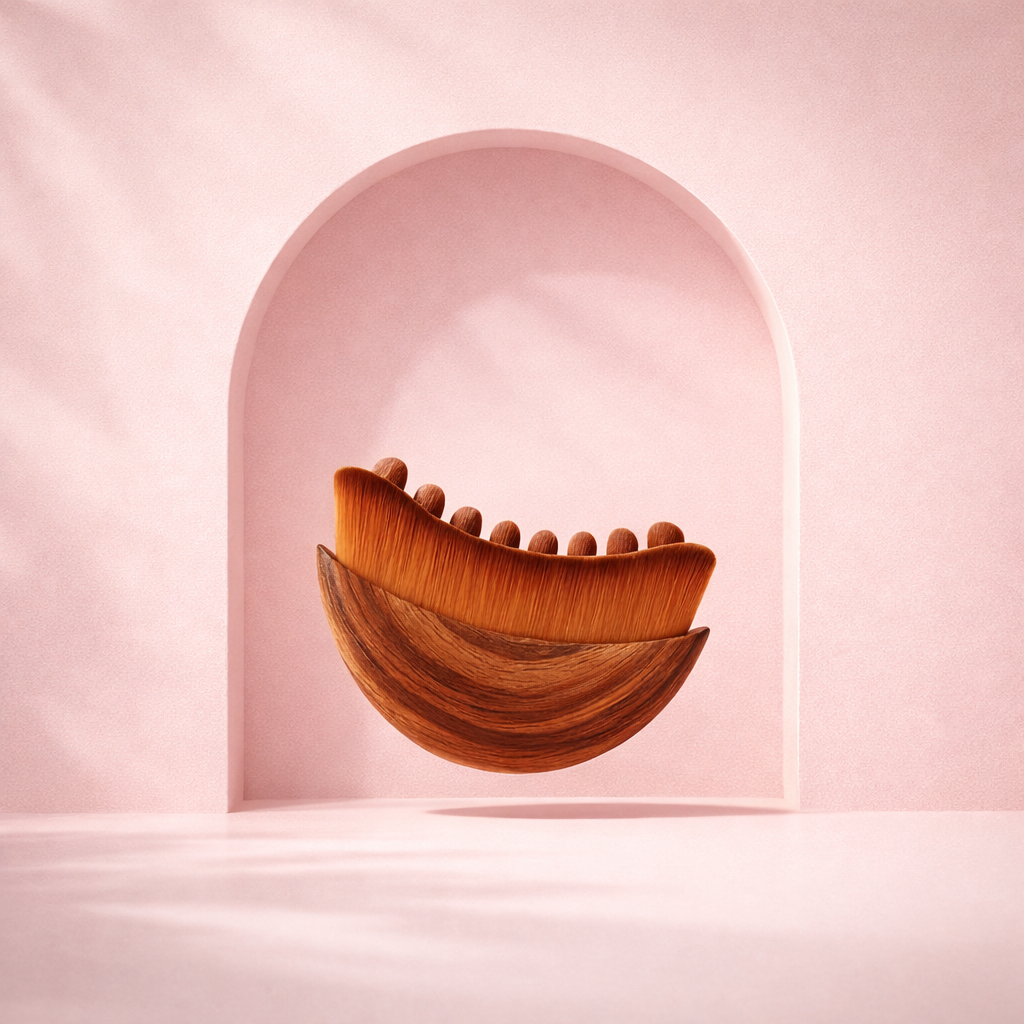
For those looking to incorporate facial massage into their daily routine, Kaiv Essentials offers premium facial massage tools specifically designed to reduce puffiness, define your jawline, and lift and contour your face naturally. These tools are crafted with precision and made from high-quality materials that are gentle on your skin while effectively promoting lymphatic drainage.
Kaiv Essentials face lifting brushes and sculpting tools are designed to work in harmony with your body's natural lymphatic system. By using these tools regularly, you can experience the benefits of professional-grade facial massage in the comfort of your own home. The tools are easy to use and can be incorporated into your morning skincare routine to help you start your day with a refreshed, sculpted appearance.
The effectiveness of these tools lies in their design, which allows for proper pressure application and smooth gliding across your skin. When used correctly with gentle, upward strokes, they can help reduce puffiness, improve circulation, and promote a more defined jawline and lifted appearance.
Dermatologist-Recommended Daily Routine for Reducing Puffiness
To help you combat facial puffiness effectively, dermatologists recommend the following daily routine:
Morning Routine
Start your morning by splashing your face with cold water or applying a cold compress for a few minutes. This helps constrict blood vessels and reduce any overnight puffiness. Follow this with a gentle facial massage using your fingers or a specialized facial massage tool, working in upward strokes toward your ears and neck.
Apply a hydrating moisturizer with beneficial ingredients like caffeine or niacinamide. This helps reduce inflammation and maintain proper skin hydration. If you're prone to under-eye puffiness, apply a caffeine-infused eye cream to this area.
Finally, apply sunscreen to protect your skin from UV damage, which can increase inflammation and exacerbate puffiness.
Throughout the Day
Stay hydrated by drinking water consistently throughout the day. Avoid excessive sodium intake by choosing fresh, whole foods over processed options. If you notice puffiness developing during the day, take a few minutes to perform facial massage or use a facial massage tool to encourage lymphatic drainage.
Evening Routine
In the evening, cleanse your face gently with a mild cleanser. Avoid harsh products that can irritate your skin and increase inflammation. Apply a hydrating serum or moisturizer to support your skin's barrier function.
Avoid consuming large amounts of sodium, alcohol, or caffeine in the evening, as these can increase fluid retention overnight. Instead, opt for herbal tea or water.
Before Bed
Ensure your bedroom is cool and dark, which promotes better sleep quality. Sleep on your back if possible, and use an