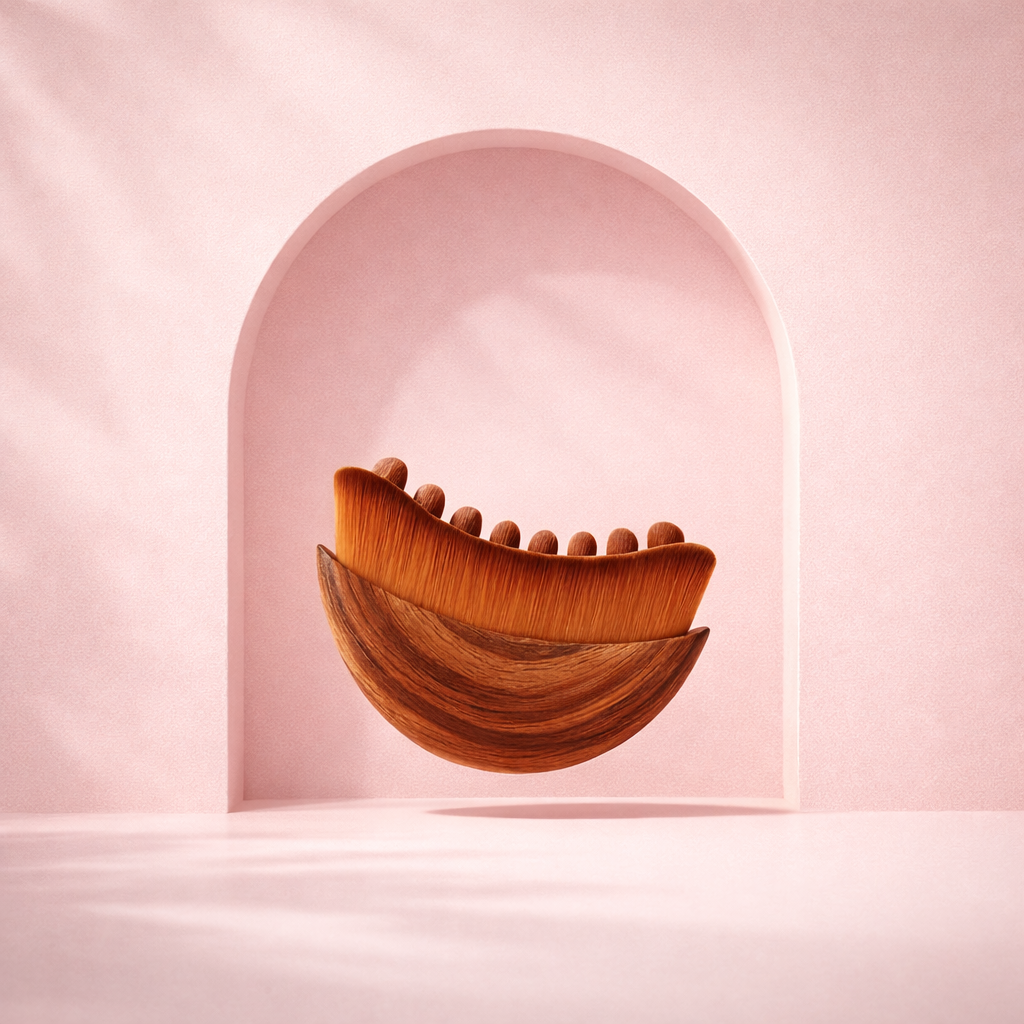
Lymphatic drainage face brushes have become increasingly popular in skincare routines, promising to reduce puffiness, enhance facial contours, and promote a radiant complexion. However, if you have sensitive skin, you might be wondering whether these tools are safe for your delicate complexion. The good news is that yes, you can use a lymphatic face brush for sensitive skin—but it requires careful selection, proper technique, and understanding your skin's unique needs. This comprehensive guide will help you navigate the world of facial massage tools while protecting your skin barrier and maintaining optimal skin health.
Understanding Lymphatic Drainage and Sensitive Skin
Before diving into whether lymphatic drainage tools are suitable for sensitive skin, it's important to understand what both of these terms mean and how they interact with each other.
What is Lymphatic Drainage?
Lymphatic drainage is a gentle massage technique that stimulates the lymphatic system beneath your skin. This system is responsible for removing toxins, excess fluid, and waste products from your body. When the lymphatic system functions optimally, it helps reduce facial puffiness, improve circulation, and promote a more sculpted appearance. A lymphatic face brush for sensitive skin works by gently stimulating these pathways, encouraging fluid movement and promoting natural detoxification.
What Makes Skin Sensitive?
Sensitive skin is characterized by a compromised skin barrier, which means the protective layer that keeps moisture in and irritants out is weakened. People with sensitive skin often experience redness, irritation, burning sensations, or reactions to products and treatments that others tolerate well. This heightened reactivity requires extra care when introducing new tools or techniques to your skincare routine.
The Benefits of Lymphatic Drainage for Sensitive Skin
Contrary to what some might assume, lymphatic drainage can actually be beneficial for sensitive skin when done correctly. Understanding these benefits can help you make an informed decision about incorporating this practice into your routine.
Reducing Inflammation and Puffiness
One of the primary benefits of lymphatic drainage is its ability to reduce facial puffiness and inflammation. For people with sensitive skin, puffiness can sometimes be exacerbated by fluid retention or inflammatory responses. A gentle lymphatic face brush for sensitive skin can help move excess fluid away from the face, reducing swelling and creating a more defined appearance. This is particularly beneficial for those who wake up with puffy eyes or swollen cheeks.
Improving Circulation Without Irritation
Proper circulation is essential for healthy skin, as it delivers oxygen and nutrients to skin cells. A gentle facial massage sensitive skin approach using a lymphatic drainage brush can improve blood flow without the harsh stimulation that might irritate sensitive complexions. This improved circulation can lead to a more radiant, glowing appearance over time.
Supporting the Skin Barrier
When used correctly, lymphatic drainage can actually support your skin barrier function. By reducing inflammation and promoting proper fluid balance, these tools help create an environment where your skin barrier can heal and strengthen. This is crucial for sensitive skin, as a stronger barrier means fewer irritation issues and better overall skin health.
Choosing the Right Gentle Face Brush for Sensitive Skin
Not all facial massage tools are created equal, especially when it comes to sensitive skin. Selecting the appropriate brush is the first step in safely incorporating lymphatic drainage into your routine.
Material Matters
The material of your facial brush is crucial for sensitive skin. Look for brushes made from soft, high-quality materials such as silicone or natural bristles that are gentle on delicate skin. Avoid brushes with harsh synthetic materials or stiff bristles that could compromise your skin barrier. Silicone brushes are particularly excellent for sensitive skin because they're non-porous, hypoallergenic, and easy to clean, reducing the risk of bacterial buildup that could irritate your skin.
Size and Shape Considerations
Choose a brush with an appropriately sized head that fits comfortably in your hand and allows for controlled, gentle movements. Smaller brushes often provide better precision and control, which is important when working with sensitive skin. The shape should allow you to follow the natural contours of your face and work along the lymphatic pathways without applying excessive pressure.
Vibration Settings
If you're considering an electric lymphatic drainage brush, opt for one with adjustable vibration settings. This allows you to start with the gentlest setting and gradually increase intensity as your skin adapts. Lower vibration frequencies are generally better for sensitive skin, as they provide the benefits of lymphatic drainage without over-stimulating your complexion.
Proper Technique for Lymphatic Drainage Sensitive Skin
Even with the right tool, technique is paramount when using a facial massage sensitive skin approach. Improper technique can irritate your skin barrier and cause more harm than good.
Start Slowly and Gently
When first introducing a lymphatic face brush for sensitive skin to your routine, start with just two to three minutes, two to three times per week. This allows your skin to adapt gradually. Use the lightest pressure possible—your brush should barely touch your skin. The goal is gentle stimulation, not aggressive massage.
Follow the Lymphatic Pathways
Understanding the direction of lymphatic flow is essential. Generally, lymphatic drainage moves from the center of the face outward and downward toward the lymph nodes in your neck and jawline. Start at the center of your face and gently move the brush outward along your cheekbones, then down along your jawline and neck. This directional approach supports natural lymphatic flow and is more effective than random movements.
Avoid Sensitive Areas
Be extra cautious around delicate areas like the under-eye region and lips. These areas have thinner skin and are more prone to irritation. If you do use your brush near the eyes, use even lighter pressure and consider using a separate, smaller brush designed specifically for this delicate zone.
Protecting Your Face Brush Skin Barrier While Using These Tools
Your skin barrier is your first line of defense against irritation and infection. Taking steps to protect it while using facial massage tools is essential.
Prepare Your Skin Properly
Always start with clean skin. Gently cleanse your face with a mild, fragrance-free cleanser suitable for sensitive skin. Pat your skin dry gently—never rub. You can apply a lightweight, hydrating serum or facial oil before using your brush, as this creates a smooth surface and reduces friction.
Use Appropriate Skincare Products
After using your lymphatic drainage brush, follow up with products specifically formulated for sensitive skin. Use a gentle moisturizer to lock in hydration and support your skin barrier. Avoid applying active ingredients like retinoids, vitamin C, or acids on the same day you use your facial brush, as this combination might be too stimulating for sensitive skin.
Monitor Your Skin's Response
Pay close attention to how your skin responds to the brush. Some mild redness immediately after use is normal, but it should fade within an hour. If you experience persistent irritation, increased sensitivity, or any adverse reactions, discontinue use and consult a dermatologist.
Complementary Practices for Sensitive Skin
To maximize the benefits of your lymphatic face brush for sensitive skin while minimizing irritation risk, consider incorporating these complementary practices.
Stay Hydrated
Proper hydration from within supports your skin barrier and overall skin health. Drink plenty of water throughout the day to ensure your skin is well-hydrated before and after using your facial massage tool.
Manage Stress
Stress can exacerbate sensitive skin conditions. Incorporate stress-management techniques like meditation, yoga, or deep breathing exercises into your routine. Interestingly, the relaxation benefits of lymphatic drainage massage can also help reduce stress-related skin issues.
Maintain a Consistent Routine
Consistency is key when using facial tools on sensitive skin. Rather than using your brush intensively for a few days and then stopping, maintain a regular, gentle routine. This allows your skin to adapt and benefit from the practice without experiencing shock or irritation.
When to Avoid Using a Lymphatic Drainage Brush
While lymphatic drainage can be beneficial for sensitive skin, there are certain situations when you should avoid using your brush.
Active Skin Conditions
If you're experiencing active acne, eczema, psoriasis, or other inflammatory skin conditions, consult your dermatologist before using a facial massage tool. During acute flare-ups, your skin barrier is already compromised, and additional stimulation might worsen the condition.
Recent Procedures or Treatments
Avoid using your lymphatic drainage brush for at least one to two weeks after professional skincare treatments like chemical peels, microdermabrasion, or laser therapy. Your skin needs time to recover before introducing additional stimulation.
Allergic Reactions
If you're experiencing an allergic reaction or have recently discovered a new allergen affecting your skin, wait until the reaction has completely resolved before resuming use of your facial brush.
Conclusion
A lymphatic face brush for sensitive skin can be a wonderful addition to your skincare routine when chosen and used carefully. The key to success lies in selecting a gentle face brush made from appropriate materials, learning proper technique, and listening to your skin's needs. By following the guidelines outlined in this article, you can enjoy the benefits of lymphatic drainage—reduced puffiness, improved circulation, and enhanced facial contours—while protecting your delicate skin barrier. Remember that everyone's skin is unique, so what works for others might need adjustment for your specific needs. When in doubt, consult with a dermatologist to ensure that lymphatic drainage sensitive skin practices are appropriate for your individual complexion. With patience, gentleness, and the right approach, you can safely harness the power of lymphatic drainage to achieve a glowing, refreshed appearance.