Facial bloating and puffiness are common concerns that affect many people, regardless of age or skin type. If you've ever woken up with a swollen face or noticed that your cheeks appear fuller than usual, you're not alone. Understanding the habits that contribute to facial swelling can help you take control of your appearance and overall health. In this comprehensive guide, we'll explore seven everyday habits that make your face look more swollen and provide you with practical solutions to combat them.
Understanding Facial Bloating and Swollen Face Causes
Before diving into the specific habits that cause facial bloating, it's important to understand what happens when your face becomes swollen. Facial swelling occurs when fluid accumulates in the tissues of your face, leading to a puffy face appearance. This can happen for various reasons, ranging from lifestyle choices to underlying health conditions. The good news is that many cases of facial bloating are preventable or reversible by making simple changes to your daily routine.
Swollen face causes can be categorized into two main groups: internal factors and external factors. Internal factors include dehydration, hormonal changes, allergies, and sleep deprivation. External factors include environmental conditions, skincare products, and lifestyle habits. By identifying which habits are contributing to your facial puffiness, you can take targeted action to reduce swelling and achieve a more sculpted, defined appearance.
Habit 1: Consuming Too Much Sodium
One of the most significant swollen face causes is excessive sodium consumption. Salt is a mineral that plays a crucial role in regulating fluid balance in your body. When you consume too much sodium, your body retains more water to maintain proper electrolyte balance. This water retention doesn't just affect your body—it directly impacts your face, leading to noticeable facial bloating.
The problem with sodium is that it's hidden in many foods we consume daily. Processed foods, canned soups, deli meats, cheese, and even seemingly healthy options like salad dressings and sauces can contain alarming amounts of sodium. When you consume a high-sodium meal, you might notice facial puffiness within hours, as your body begins retaining water to dilute the excess salt.
To combat this habit, start reading food labels carefully and aim to keep your daily sodium intake below 2,300 milligrams, as recommended by health authorities. Choose fresh, whole foods over processed options whenever possible. Cook your meals at home so you can control the amount of salt you add. When eating out, request that your food be prepared without added salt, and ask for dressings and sauces on the side.
Additionally, increase your potassium intake by consuming foods like bananas, sweet potatoes, spinach, and avocados. Potassium helps balance sodium levels in your body and can reduce water retention. By making these dietary adjustments, you'll notice a significant reduction in facial bloating within just a few days.
Habit 2: Not Drinking Enough Water
It might seem counterintuitive, but dehydration is one of the primary swollen face causes. When your body doesn't receive enough water, it compensates by retaining the water it does have. This retention leads to puffiness throughout your body, including your face. Dehydration can make your face look swollen, bloated, and tired.
Many people underestimate how much water they need to drink daily. The common recommendation of eight glasses a day is a good starting point, but your individual needs may vary based on your activity level, climate, and overall health. When you're dehydrated, your skin also becomes less plump and elastic, which can make facial bloating appear more pronounced.
To address this habit, make a conscious effort to drink more water throughout the day. Start your morning with a glass of water before consuming anything else. Keep a water bottle with you at all times and sip from it regularly. If plain water feels boring, infuse it with lemon, cucumber, or berries for added flavor and nutritional benefits.
Monitor your urine color as an indicator of hydration status. Pale yellow urine suggests adequate hydration, while dark yellow indicates you need to drink more water. By staying properly hydrated, you'll not only reduce facial bloating but also improve your skin's overall appearance, boost your metabolism, and enhance your energy levels.
Habit 3: Sleeping on Your Stomach or Side
Your sleeping position plays a significant role in facial puffiness. When you sleep on your stomach or side, gravity causes fluid to accumulate in your face, leading to a puffy face appearance when you wake up. This is especially noticeable if you sleep with your face pressed into the pillow, as the pressure can restrict lymphatic drainage and exacerbate swelling.
The lymphatic system is responsible for removing excess fluid and waste from your tissues. When you sleep in positions that compress your face or neck, you impede this natural drainage process. Over time, consistently sleeping in these positions can contribute to chronic facial bloating and even affect the elasticity of your skin.
To improve this habit, try sleeping on your back instead. Back sleeping allows gravity to work in your favor, promoting proper lymphatic drainage from your face. If you find it uncomfortable to sleep on your back initially, use an extra pillow to support your neck and head, creating a more comfortable position. You might also consider using a silk pillowcase, which reduces friction and can help prevent fluid accumulation compared to cotton pillowcases.
If you absolutely cannot sleep on your back, try to sleep on your side with your face elevated slightly higher than your body. This compromise position still allows for better drainage than stomach sleeping. Within a week of changing your sleeping position, you should notice a reduction in morning facial puffiness.
Habit 4: Consuming Alcohol Before Bed
Alcohol is a diuretic, meaning it increases urination and can lead to dehydration. When you drink alcohol, especially close to bedtime, your body becomes dehydrated overnight. As mentioned earlier, dehydration triggers water retention, which manifests as facial bloating and puffiness. Additionally, alcohol causes blood vessels to dilate, which can increase inflammation and contribute to a swollen face appearance.
The effects of alcohol on facial bloating are particularly pronounced when you consume it in the evening. Your body spends the night processing the alcohol instead of focusing on proper hydration and recovery. This disrupts your sleep quality and prevents your body from performing its natural detoxification processes, leading to morning puffiness that can last throughout the day.
To break this habit, limit your alcohol consumption and avoid drinking alcohol at least three to four hours before bedtime. If you do choose to drink, alternate each alcoholic beverage with a glass of water to maintain hydration. This practice, known as pacing, can significantly reduce the dehydrating effects of alcohol and minimize facial bloating.
If you're a regular drinker, consider reducing your overall alcohol consumption. Your face will thank you, and you'll likely notice improvements in your skin quality, energy levels, and overall health. Many people report that reducing alcohol intake is one of the most effective ways to eliminate facial puffiness and achieve a more sculpted appearance.
Habit 5: Skipping Your Skincare Routine
While it might not seem directly related to facial bloating, neglecting your skincare routine can contribute to swollen face causes. When you don't properly cleanse and care for your skin, you allow dirt, bacteria, and dead skin cells to accumulate. This buildup can trigger inflammation and irritation, leading to facial puffiness and a bloated appearance.
Additionally, certain skincare products can help reduce facial bloating through their active ingredients. Products containing caffeine, retinol, or peptides can help improve lymphatic drainage and reduce inflammation. When you skip your skincare routine, you miss out on these benefits and may inadvertently worsen facial bloating.
A proper skincare routine should include cleansing, toning, treating, and moisturizing. Use a gentle cleanser appropriate for your skin type to remove impurities without stripping your skin. Follow with a toner to balance your skin's pH levels. Apply targeted treatments like serums or essences that address your specific concerns, including facial bloating. Finally, moisturize to keep your skin hydrated and plump.
Incorporate products with anti-inflammatory ingredients like green tea, niacinamide, or hyaluronic acid. These ingredients can help reduce puffiness and improve your skin's overall appearance. By committing to a consistent skincare routine, you'll not only reduce facial bloating but also improve your skin's texture, tone, and radiance.
Habit 6: Neglecting Lymphatic Drainage
The lymphatic system is crucial for removing excess fluid and toxins from your body. When lymphatic drainage is compromised, fluid accumulates in your tissues, leading to facial bloating and a puffy face appearance. Many people don't realize that they can actively support their lymphatic system through specific techniques and tools.
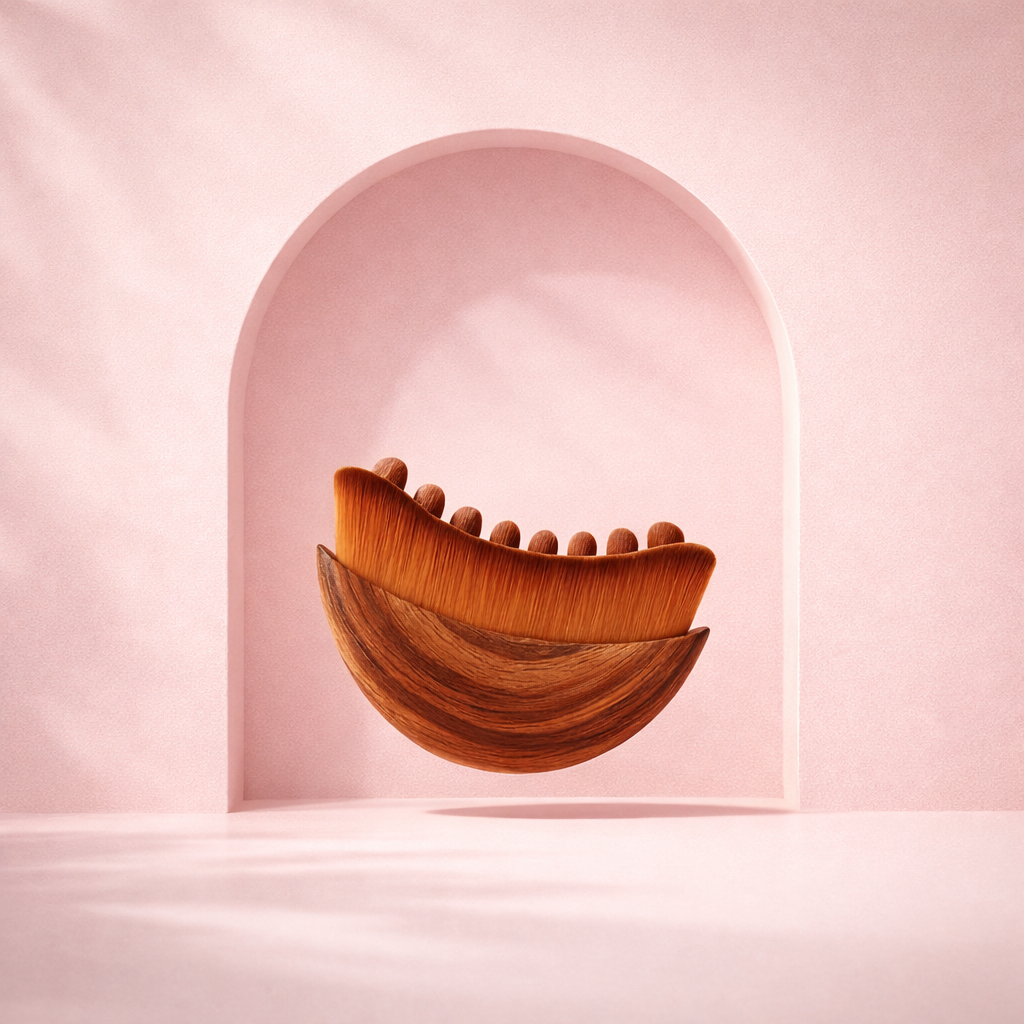
One effective method for improving lymphatic drainage is using a lymphatic drainage face brush. These specialized brushes are designed to stimulate lymphatic flow and reduce facial puffiness. A lymphatic drainage face brush typically has soft bristles that gently massage your face in specific directions, following the natural pathways of your lymphatic system. Regular use of a lymphatic drainage face brush can significantly reduce swollen face causes related to poor lymphatic function.
To use a lymphatic drainage face brush effectively, start at the center of your face and brush outward toward your ears and jawline. Then move to your forehead and brush upward toward your hairline. Finally, work on your neck, brushing downward toward your collarbone. This technique encourages fluid to move toward the lymph nodes, where it can be properly processed and eliminated.
Beyond using a lymphatic drainage face brush, you can support your lymphatic system through other methods. Facial massage, dry brushing, and staying active all promote lymphatic flow. Even simple activities like walking or gentle yoga can improve circulation and reduce facial bloating. By prioritizing lymphatic drainage, you'll notice a significant reduction in puffiness and a more defined facial structure.
Habit 7: Eating Late at Night
Eating close to bedtime is a habit that can significantly contribute to facial bloating and swollen face causes. When you eat late at night, your digestive system works overtime while you're trying to sleep. This disrupts your sleep quality and prevents your body from properly processing and eliminating waste. Additionally, late-night eating often involves consuming heavier, saltier, or more processed foods, which exacerbate water retention and facial puffiness.
Your body has natural circadian rhythms that regulate digestion, metabolism, and fluid balance. When you eat late at night, you disrupt these rhythms, leading to poor digestion and increased inflammation. This inflammation can manifest as facial bloating and a puffy face appearance the next morning.
To break this habit, establish a cutoff time for eating, ideally two to three hours before bedtime. This gives your body time to digest your meal before you sleep. If you're hungry in the evening, opt for light, easily digestible foods like herbal tea, a small piece of fruit, or a handful of nuts. Avoid heavy, salty, or sugary foods that can trigger water retention and inflammation.
By eating earlier in the day and allowing your body adequate time to digest before sleep, you'll improve your sleep quality, reduce inflammation, and wake up with a noticeably less puffy face. This simple habit change can have a profound impact on your appearance and overall health.
The Connection Between These Habits and Facial Bloating
Understanding how these seven habits interconnect is crucial for effectively addressing facial bloating. Many of these habits work together to exacerbate swollen face causes. For example, consuming too much sodium while not drinking enough water creates a perfect storm for facial puffiness. Similarly, poor sleep position combined with late-night eating can intensify morning bloating.
The key to reducing facial bloating is recognizing that these habits don't exist in isolation. By addressing multiple habits simultaneously, you'll see more dramatic and lasting results. For instance, if you reduce sodium intake, increase water consumption, improve your sleeping position, and use a lymphatic drainage face brush, you'll likely notice a significant reduction in facial puffiness within just one to two weeks.
Practical Steps to Reduce Facial Bloating
Now that you understand the seven habits that make your face look more swollen, let's discuss practical steps you can take to address them. Start by identifying which habits are most relevant to your lifestyle. You don't need to change everything at once; instead, focus on one or two habits and gradually incorporate additional changes.
Create a daily routine that supports lymphatic drainage and reduces water retention. Begin your morning with a glass of water with lemon to hydrate and support detoxification. Use your lymphatic drainage face brush while your skin is still slightly damp from your nighttime skincare routine. This is an ideal time to use the brush because your face is already clean and your skin is receptive to the gentle massage.
Throughout the day, maintain consistent water intake and be mindful of your sodium consumption. Choose whole foods over processed options, and prepare your meals at home whenever possible. In the evening, establish a cutoff time for eating and avoid alcohol or limit your consumption. Before bed, ensure you're sleeping on your back or side with proper pillow support.
Consistency is key when addressing facial bloating. It typically takes two to three weeks of consistent habit changes to see noticeable improvements. However, many people report seeing results within just a few days of implementing these changes, particularly when they address multiple habits simultaneously.
The Role of Skincare Products in Reducing Facial Bloating
While lifestyle changes are crucial for reducing facial bloating, the right skincare products can significantly enhance your results. Look for products that contain ingredients known to reduce puffiness and inflammation. Caffeine is particularly effective at reducing facial bloating because it constricts blood vessels and promotes lymphatic drainage. Many eye creams and facial serums contain caffeine for this reason.
Retinol is another powerful ingredient that can help reduce facial bloating over time. Retinol promotes cell turnover and improves skin elasticity, which can make your face appear less puffy. However, retinol can be irritating for some people, so start with a low concentration and gradually increase as your skin adjusts.
Peptides are amino acids that support skin structure and elasticity. Products containing peptides can help firm your skin and reduce the appearance of puffiness. Hyaluronic acid is a humectant that draws moisture into your skin, plumping it from within and reducing the appearance of fine lines and sagging that can be exacerbated by facial bloating.
Look for serums and creams that combine multiple beneficial ingredients. A high-quality facial serum containing caffeine, peptides, and antioxidants can be a game-changer in your fight against facial bloating. Apply these products consistently as part of your skincare routine for best results.
Understanding Hormonal Influences on Facial Bloating
Hormonal changes can significantly contribute to swollen face causes, particularly in women. Fluctuations in estrogen and progesterone throughout the menstrual cycle can lead to increased water retention and facial bloating. Many women notice that their face appears puffier during certain phases of their cycle.
If you suspect hormonal influences are contributing to your facial bloating, track your symptoms in relation to your menstrual cycle. You might notice a pattern where puffiness is most pronounced during the luteal phase (the second half of your cycle). During this time, be extra vigilant about reducing sodium intake, increasing water consumption, and using your lymphatic drainage face brush.
If hormonal-related facial bloating is severe, consult with your healthcare provider. They may recommend dietary adjustments, supplements, or other interventions to help manage hormonal fluctuations and reduce associated puffiness.
The Importance of Sleep Quality
Beyond sleeping position, the overall quality of your sleep significantly impacts facial bloating. Poor sleep quality increases inflammation throughout your body, including your face. When you don't get enough sleep, your body produces more cortisol, a stress hormone that promotes water retention and inflammation.
Aim for seven to nine hours of quality sleep each night. Establish a consistent sleep schedule by going to bed and waking up at the same time daily. Create a relaxing bedtime routine that helps you wind down, such as reading, gentle stretching, or meditation. Avoid screens at least one hour before bed, as blue light can interfere with melatonin production and disrupt your sleep.
A cool, dark, quiet bedroom is ideal for quality sleep. Keep your bedroom temperature between 60 and 67 degrees Fahrenheit, as cooler temperatures promote better sleep. By prioritizing sleep quality, you'll reduce inflammation, improve lymphatic function, and wake up with a noticeably less puffy face.
Addressing Allergies and Sensitivities
Allergies and food sensitivities can cause facial bloating and swelling. Common culprits include dairy, gluten, and certain food additives. If you notice that your facial bloating worsens after consuming certain foods, you might have a sensitivity to those foods.
Keep a food diary for one to two weeks, noting what you eat and any changes in facial bloating or other symptoms. Look for patterns that might indicate food sensitivities. Common inflammatory foods include processed foods, refined carbohydrates, and foods high in sugar.
If you suspect food sensitivities, consider an elimination diet under the guidance of a healthcare provider or registered dietitian. This involves removing potentially problematic foods from your diet for a period of time, then reintroducing them one at a time to identify which foods trigger your symptoms.
Environmental allergies can also contribute to facial bloating. Pollen, dust, and pet dander can trigger inflammation and puffiness. If you suspect environmental allergies, consult with an allergist who can perform testing and recommend appropriate treatments.
The Impact of Stress on Facial Bloating
Chronic stress is a significant contributor